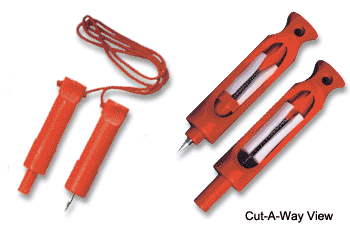
Retractable Ice Awls
MSRP $32.35
 The Pick-Of-Life® is a lifesaving tool for anyone venturing onto the ice. Rescue professionals, ice fisherman, snowmobilers and outdoor enthusiasts rely on the Pick-Of-Life® as standard safety equipment. The Pick-Of-Life® provides solid hand holds enabling a victim to climb out of a hole in the thin ice.
The Pick-Of-Life® awls are for self rescue. They assist you in crawling on top of the ice, or you may slide the picks over very thin ice to someone else who has fallen through.
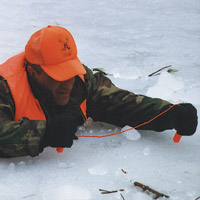
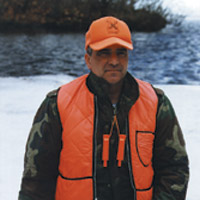
Keep your Pick-Of-Life® awls above your waist, either around your neck, in an open chest pocket, or strung through your coat sleeves, one at each hand.
This enables you to reach them quickly while immersed in deep water -- without letting go of the ice. Each person should keep a whistle with their winter gear. It takes less effort to blow a whistle than to yell.
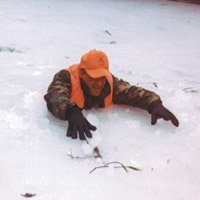
 If you break through the ice, cover your mouth and nose immediately. The shock of the cold water triggers your body to gasp, thus you ingest water that may cause you to gag. When trying to crawl out, lean your forearms on the ice mantel and spread your weight out as much as possible while digging into the ice with the Pick-Of-Life® awls.
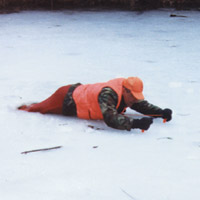
Use short arm reaches to pull yourself out, do not extend your arm to the full length; it will release body heat and exhaust you quickly. As you pull yourself out, kick your feet as though you are swimming. This greatly assists your efforts in crawling out. Once you're on the ice, remain face down and completely flat on the ice. This distributes your weight to the maximum amount of surface. Continue to use your Pick-Of-Life® awls and crawl to safe ice or shore.
Wear polypropylene long underwear and a wool or pile middle layer to provide extra warmth from trapped air, and to add extra buoyancy.
Pick-of-Life don't be without them! The Pick-Of-Life® awls are for self rescue only. Do not leave shore to assist someone who has fallen through the ice. Throw something for him to hold onto and call trained rescue personnel immediately.
Ice thickness and strength may vary considerably on the same body of water. The ice should be checked in several places before determining the thickness and integrity.
Moving across ice should be done slowly and carefully, distributing as much of your weight as possible across the ice surface. Use sliding steps (don't pick up your feet as you walk) to avoid your weight being focused under a single foot.
Carry a walking stick to tap the ice as you walk. A hard resonant sound usually indicates good ice, a dead "thud" signifies bad or weak ice. If you find ice that sounds bad, you should immediately retreat and try another route.